
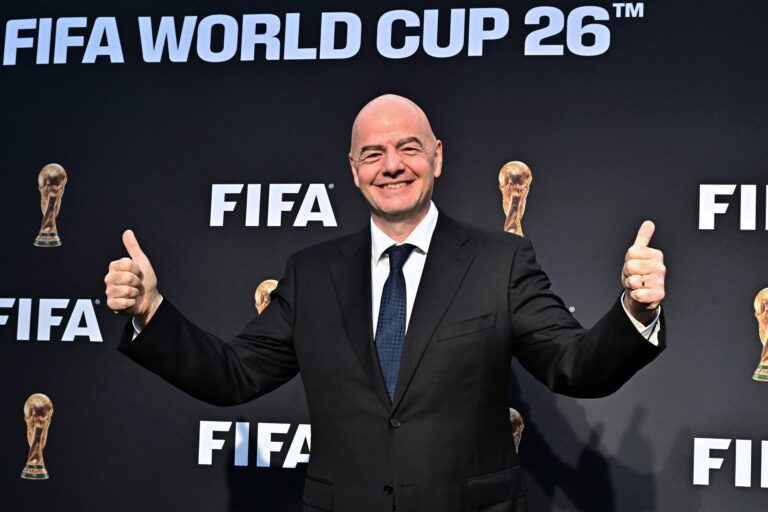
FIFA’s controversial plan to sell a stake in the commercial rights to the FIFA World Cup has triggered a global backlash, with football’s powerbrokers accusing the governing body of turning the world’s biggest sporting event into an investment vehicle for private equity.
The proposal would see FIFA establish FIFA Forward Enterprises (FFE), a new commercial company tasked with managing the governing body’s flagship competitions. FIFA plans to sell up to a 21% stake in the business, a move expected to raise about R75.6 billion, while retaining majority control.
FIFA insists the strategy is aimed at unlocking unprecedented investment in the global game. According to the BBC, the governing body believes the deal would increase football development funding to more than R180 billion, allowing each of its 211 member associations to receive up to R360 million for infrastructure and grassroots projects.
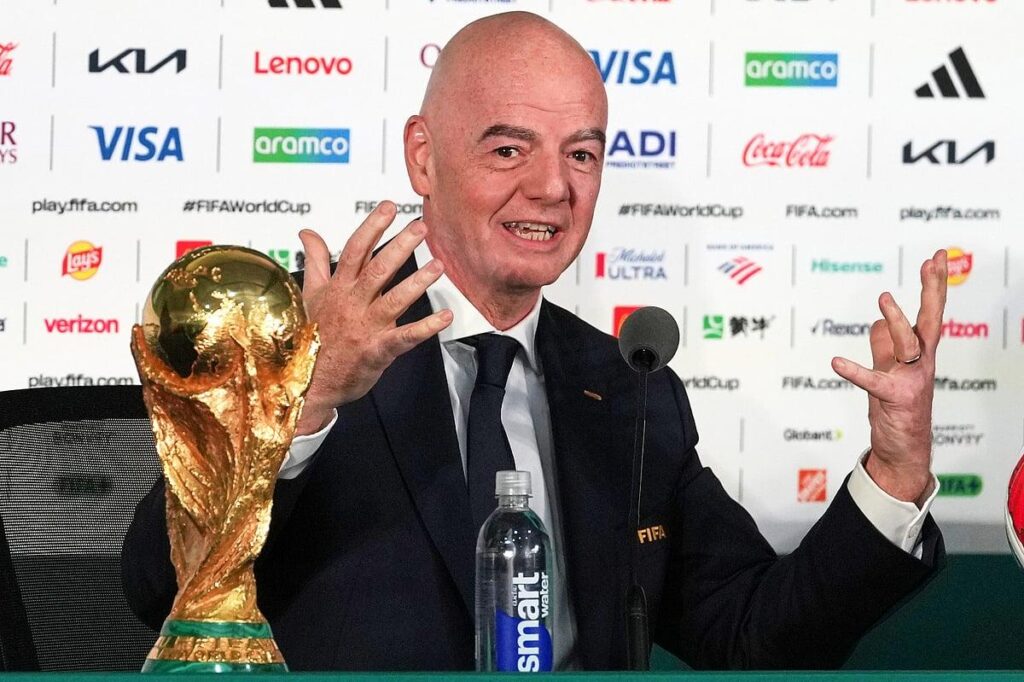
GIANNI INFANTINO DEFENDS PROPOSAL
FIFA president Gianni Infantino defended the proposal, describing it as a transformational moment for world football.
“Our next stage of growth needs a structure built for it, one where the commercial side of the game operates as a focused, dedicated business, with its value shared more and better all around the world.
“This is about the democratisation of football worldwide.”
But what FIFA has framed as a financial revolution is being condemned by critics as one of the biggest threats yet to football’s independence.
UEFA has called an emergency meeting amid growing concern that opening the World Cup to private investors would hand unprecedented influence to shareholders whose primary objective is financial returns rather than protecting the integrity of the sport.
“The soul and governance of football are not assets to trade,” UEFA said in a strongly worded response.
“None of us are the owners of football. It is not FIFA’s to sell.”
The backlash underscores fears that investors would push for larger, more lucrative tournaments to maximise profits.
Critics argue football is already shifting towards an entertainment-first model. FIFA’s decision to stage a Super Bowl-style halftime show during the 2026 World Cup final has been cited as further evidence that commercial spectacle is increasingly taking precedence over football tradition.
Analysts also warn that private investment could accelerate calls for a 64-team World Cup, a more frequent Club World Cup and the revival of concepts similar to the failed European Super League.
A 64-TEAM FIFA WORLD CUP
Football finance expert Kieran Maguire believes shareholder demands would inevitably reshape the international calendar.
“There was likely going to be pressure for a 64-team World Cup and for it to take place every two years if the FFE organisation is set up because it has got to make money in order to satisfy the shareholders,” Maguire told The Athletic.
Beyond the commercial implications, the proposal could also reshape football’s political landscape.
By promising substantially higher development funding to all 211 member associations, FIFA is likely to strengthen support among smaller football nations whose votes could prove decisive when the proposal comes up for approval.
Supporters argue the plan will distribute football’s wealth more fairly and fast-track development in emerging football nations.
Opponents, however, say the proposal crosses a line that cannot easily be reversed.
For them, this is no longer simply a debate about investment. It is a battle over ownership, governance and whether the FIFA World Cup remains a sporting institution or becomes a commercial asset designed to generate returns for investors.
If approved, the proposal would mark one of the most significant shifts in FIFA’s modern history, fundamentally changing not only how the World Cup is financed, but potentially who influences the future of the world’s most-watched sporting event.