
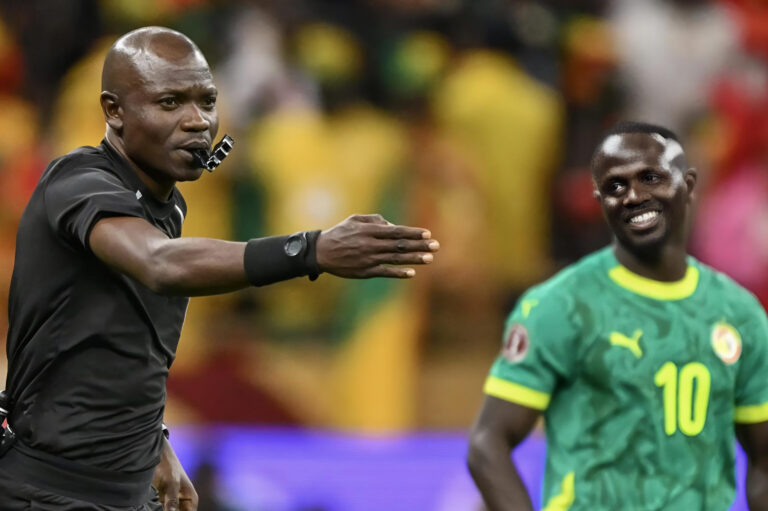
The Confederation of African Football’s decision to appoint Jean-Jacques Ngambo Ndala to officiate the Champions League final on 17 May has reignited a controversy the governing body can ill afford to revisit.
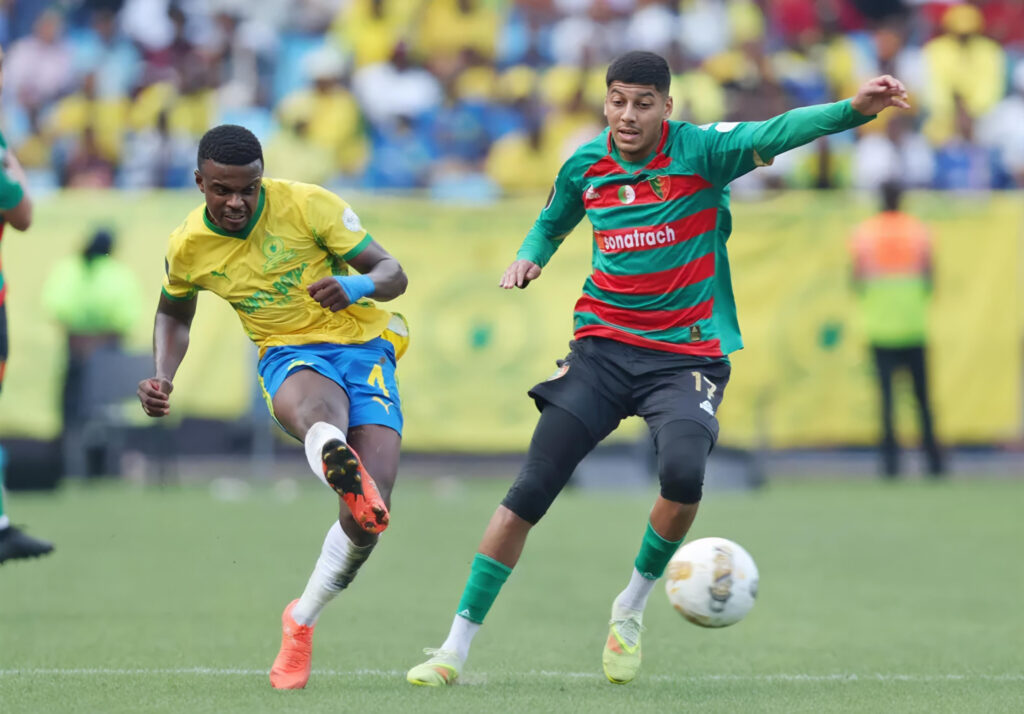
Ndala’s appointment yesterday to handle the most respected African club competition between Mamelodi Sundowns (South Africa) and AS FAR of Morocco at Loftus Versfeld Stadium in Pretoria raises fresh questions about CAF’s decision-making and accountability processes. More so when CAF president Patrice Motsepe’s ownership ties to Sundowns present an unavoidable perception problem.
Ndala was the central figure in the chaotic 2025 AFCON final between Senegal and Morocco, a match that spiralled into disorder after a disputed penalty decision and a temporary walk-off by Senegal. The referee’s handling of the incident, particularly the failure to caution players amid escalating tensions, became a focal point in the fallout. Two months later, CAF’s Appeals Board dramatically overturned Senegal’s on-field victory, awarding Morocco a 3-0 win by forfeit. The decision, widely criticised, hinged partly on procedural breaches and also raised deeper concerns about the integrity of officiating.
Crucially, the controversy did not end there. Senegal escalated the matter to the Court of Arbitration for Sport, arguing that titles must be decided on the pitch, not through administrative rulings. With that case still pending, CAF’s decision to elevate Ndala to one of its biggest club fixtures appears, at best, tone-deaf and at worst, dismissive of legitimate concerns about accountability.
OLIVIER SAFARI’S APPOINTMENT RAISES GOVERNANCE QUESTIONS
Even more troubling is the appointment of Olivier Safari as a match assessor for the same final. Safari, who chairs CAF’s referees committee, has himself been linked to the AFCON controversy amid allegations of behind-the-scenes influence during the final. His dual role raises a fundamental governance question: if disputes arise from this Champions League final, can Safari objectively assess a system he oversees or, effectively, himself?
CAF is now walking into a credibility storm of its own making. With a high-stakes CAS ruling looming and trust already eroded, these appointments risk reinforcing a perception that oversight within African football is not just flawed but structurally compromised.