
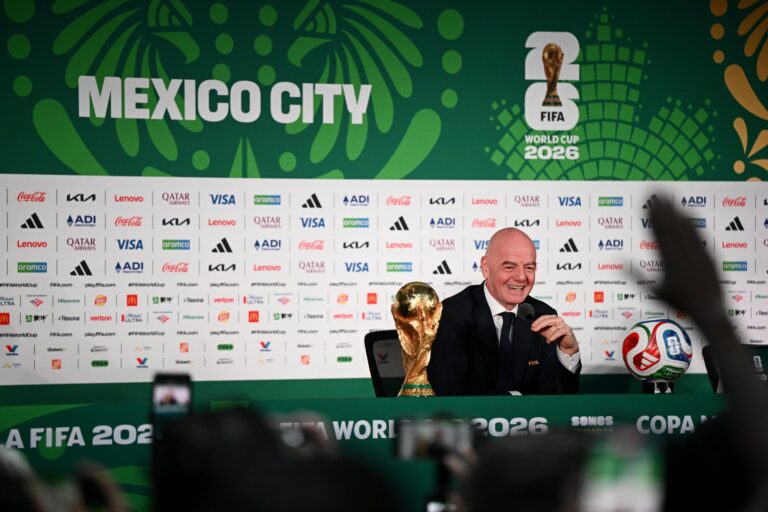
European football has declared war on FIFA’s controversial World Cup sell-off proposal. UEFA’s 55 member associations have unanimously voted to boycott all FIFA competitions if the plan is approved.
The decision, taken at an emergency meeting on Thursday, marks the biggest challenge yet to FIFA president Gianni Infantino’s proposal to create FIFA Forward Enterprises (FFE), a commercial subsidiary that would manage the World Cup, Club World Cup and other major tournaments while selling up to a 21% stake to private investors.
In a strongly worded statement, UEFA said all 55 member associations had unanimously rejected the proposal.
“The World Cup cannot be treated as an investment product. It is one of football’s greatest sporting legacies. No part of it should ever be surrendered to private investors. The World Cup is not for sale.”
The proposed boycott would apply to all FIFA competitions, including the men’s and women’s World Cups and the Club World Cup, should FIFA’s member associations vote in favour of the plan later this year.
The latest development deepens the governance divide that emerged after FIFA announced plans to raise $4.2 billion by selling a minority stake in FFE. FIFA says the funds would allow it to increase football development funding to more than $10 billion, with each of its 211 member associations eligible for up to $20 million in additional funding.
Infantino has defended the proposal as a way to spread football’s commercial success more equitably across the globe.
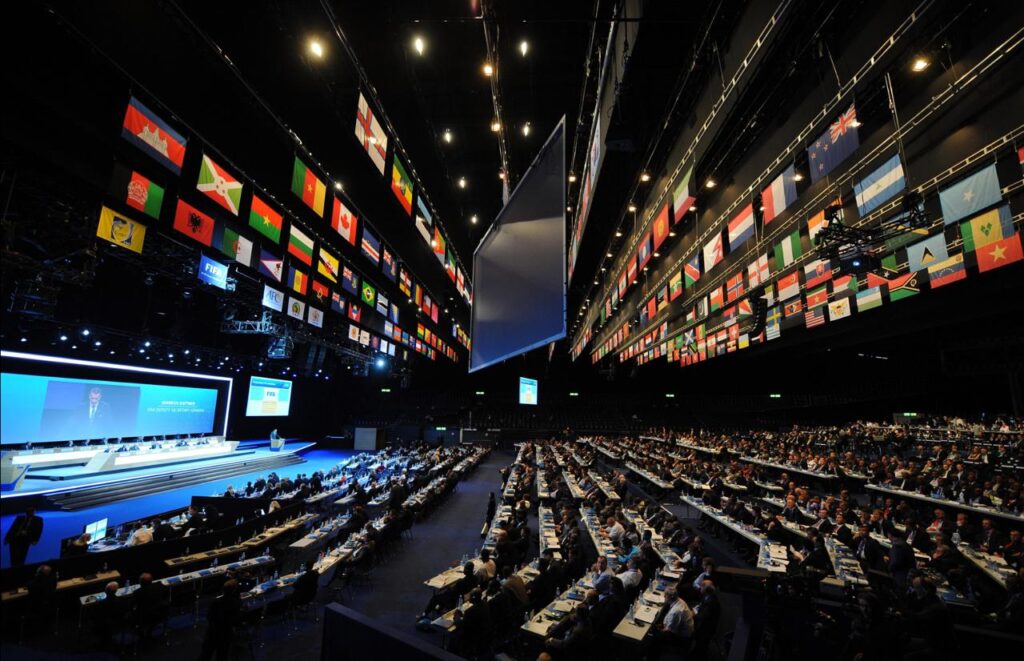
“Our next stage of growth needs a structure built for it, one where the commercial side of the game operates as a focused, dedicated business. This is about the democratisation of football worldwide.”
While Europe has united in opposition, Africa has adopted a more measured approach.
The Confederation of African Football (CAF) has stopped short of endorsing or rejecting the proposal, instead urging its 54 member associations to study the details before taking a position.
CAF said president Patrice Motsepe will convene an Executive Committee meeting next week to evaluate FIFA’s proposal, adding that consultations with member associations and the FIFA Council are ongoing.
Rather than criticising the initiative, CAF reiterated its commitment to working with FIFA and other confederations to increase financial resources for football development across Africa.
“CAF is committed to continue consulting and working together with its Member Associations, FIFA, other Football Confederations and stakeholders in support of increasing financial and other resources for the development and growth of football in Africa and worldwide.”
The confederation’s cautious stance reflects the difficult balancing act facing many African federations. FIFA has reportedly indicated that member associations could receive up to $40 million in additional funding if the proposal is approved—a significant incentive for countries where football development relies heavily on FIFA support.
Critics, however, argue that the plan risks turning football’s biggest tournament into a commercial asset. They warn that private investors would inevitably seek to maximise returns by pushing for larger World Cups, more frequent competitions and increased commercialisation.
With UEFA threatening a boycott and CAF still consulting its members, football is heading towards one of the most consequential political battles in the modern era of the game.