
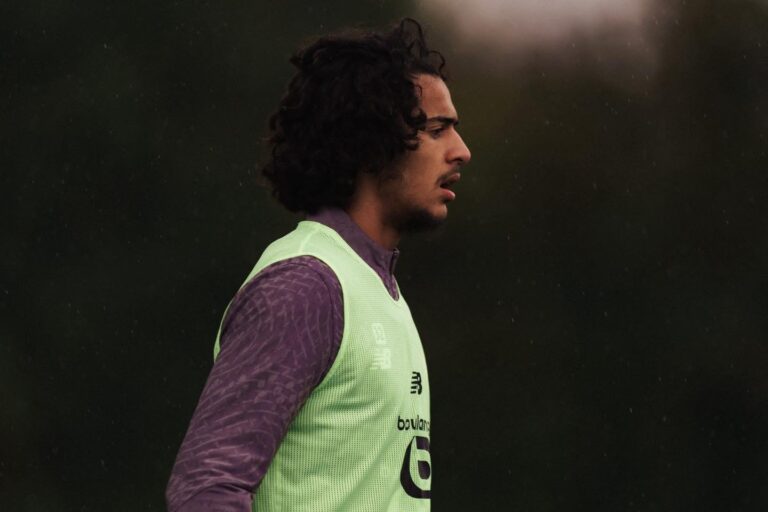
The decision by Ayyoub Bouaddi to represent Morocco over France is not just another international allegiance story. It is further proof that Morocco’s long-term football strategy is paying off.
For years, African nations often found themselves losing top dual-national talent to European heavyweights such as France, Spain, Belgium and the Netherlands. Morocco has changed that conversation completely. The Atlas Lions are no longer approaching diaspora recruitment from a position of desperation. They are operating from a position of strength, ambition and credibility.
Bouaddi’s decision perfectly captures that shift.
The teenage midfielder was widely viewed as part of France’s future generation after rising through the French youth system and even captaining the Under-21 side earlier this year. Yet when the time came to choose, one of Europe’s brightest young midfielders saw his future with Morocco.
That is not happening by chance.
Morocco’s football authorities have spent years building an environment capable of convincing elite players that choosing the Atlas Lions is not an emotional sacrifice, but a serious football decision. The Royal Moroccan Football Federation has invested heavily in infrastructure, youth development, coaching and long-term planning. The results are now visible both on and off the pitch.
The country’s historic run to the semi-finals of the 2022 FIFA World Cup gave Morocco global credibility, but perhaps more importantly, it gave young dual-national players proof that Morocco can compete with the world’s elite. Players no longer have to choose between representing their roots and competing at the highest level. Morocco has created a project where both are possible.
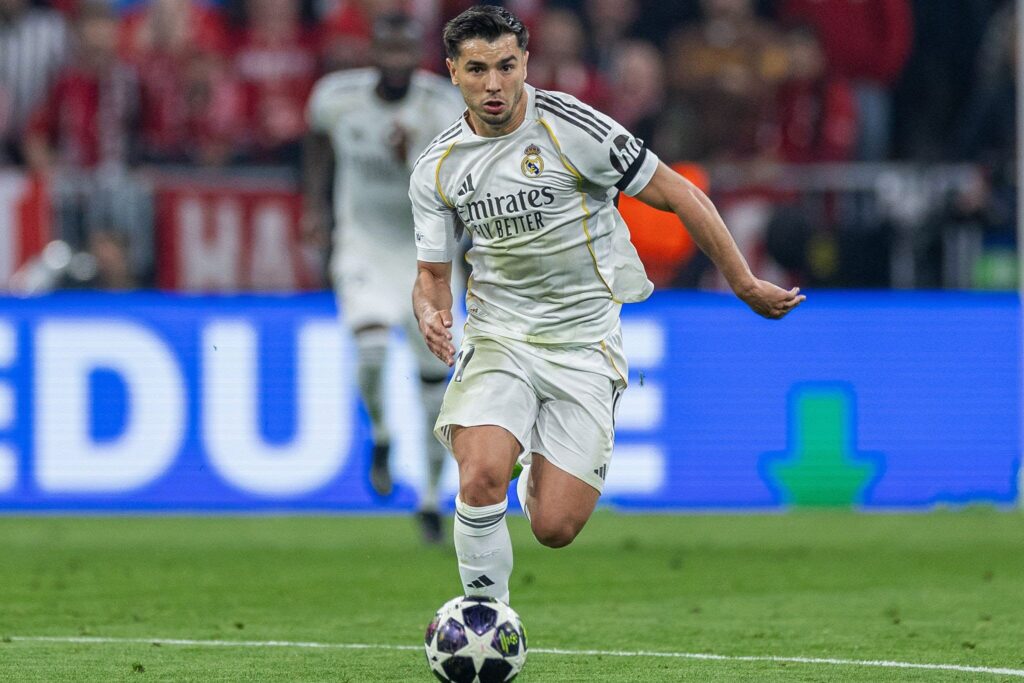
HAKIMI, DIAZ AND BOUNIDA ARE TESTAMENT TO MOROCCO’S IMPRESSIVE STRATEGY
That is why names such as Brahim Díaz, Achraf Hakimi, Neil El Aynaoui, Rayane Bounida and Saif Eddine Lazar matter so much. Each decision strengthens the next. Every top player who commits to Morocco sends a message to the next generation that the Atlas Lions are building something special.
The importance of Brahim Díaz’s decision, in particular, cannot be overstated. A player at Real Madrid choosing Morocco over Spain was symbolic. It showed that Morocco could attract elite players not through sentiment alone, but through sporting ambition.
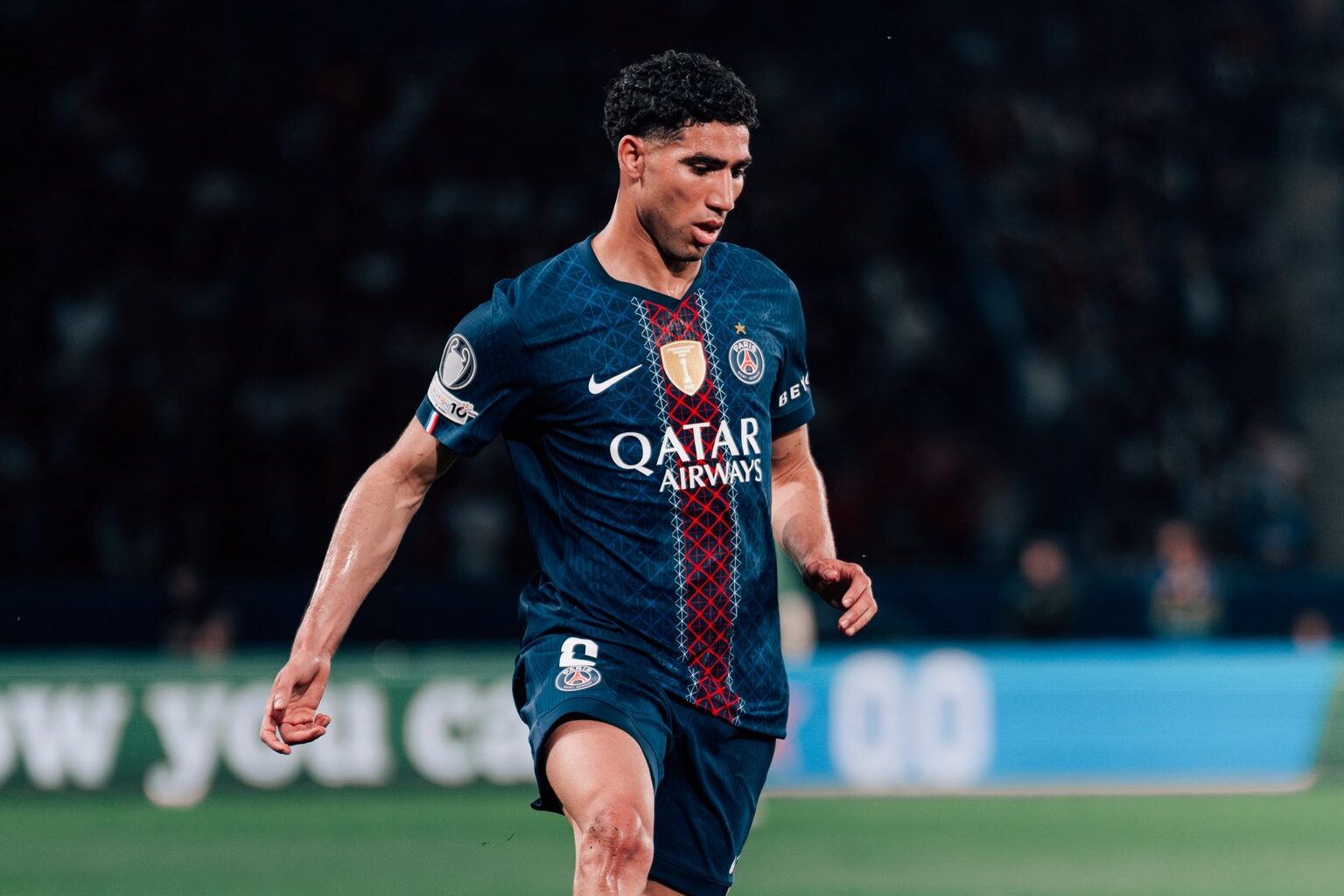
Hakimi’s rise into one of world football’s premier full-backs has also become a powerful recruitment tool. Young players can now see Moroccan stars succeeding at the highest level while proudly representing the national team.
What Morocco is doing differently is that they are treating recruitment as part of a broader football vision rather than isolated negotiations with individual players. The federation has created continuity, stability and belief. There is now a genuine sense that players are joining a project capable of challenging consistently at major tournaments.
Bouaddi’s arrival could ultimately become one of the most important additions yet because of what he represents. At just 18, he is already regarded as one of Europe’s finest midfield prospects. His technical quality, composure and maturity suggest he could become the heartbeat of Morocco’s midfield for years to come.
More importantly, his decision reinforces a growing reality in international football: Morocco is no longer merely competing for elite dual-national talent. Increasingly, it is becoming the destination of choice.
That may be the country’s greatest football victory of all.