
Morocco is ready to host arguably the most iconic Africa Cup of Nations when it rolls out the red carpet for the continent’s football royalty on December 21.
Anchored in the long-term vision of His Majesty King Mohammed VI, the Kingdom has invested heavily in state-of-the-art stadiums, urban infrastructure such as transport networks, hotels, and immaculate roads for many years, not just because of the AFCON, but as part of a visionary long-term national development strategy.
In a recent conversation, Omar Khyari, the Special Advisor to the Moroccan Federation President, aptly summed up the state of readiness and the hard work that the North African country has put into ensuring that African football is played in the most modern stadiums and most conducive environment.
“Today, all nine host venues across the six cities are ready. Pitch quality has already been validated through independent audits aligned with CAF and FIFA requirements. Safety systems, crowd flow, and stadium accessibility have been reviewed with national authorities to ensure a secure and comfortable environment for fans, teams, and media,” he said.
MOROCCO’S STADIUMS FOR AFCON
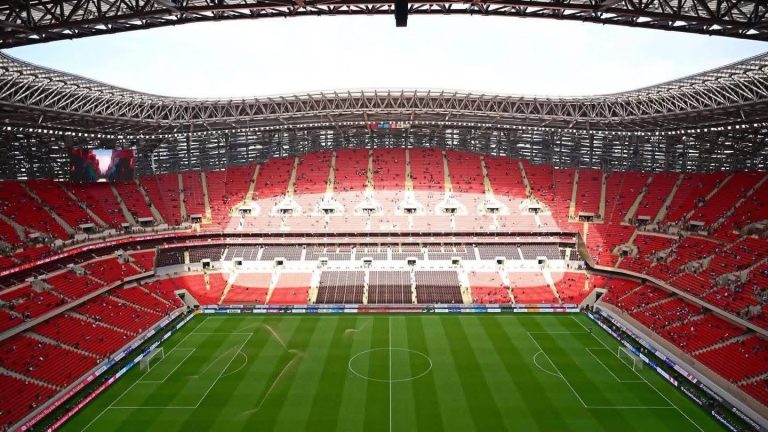
Across six cities, Morocco will host AFCON 2025 using nine stadiums, each newly built or fully renovated to meet international standards. In Rabat, the heart of the tournament will be Prince Moulay Abdellah Stadium, a modern 69,500-seat arena that will host the opening match and, likely, the final on 18 January 2026. The capital will host multiple venues, including newly built Olympic-class stadiums and modernised smaller arenas, all designed for comfort, accessibility, and immersive fan experiences.
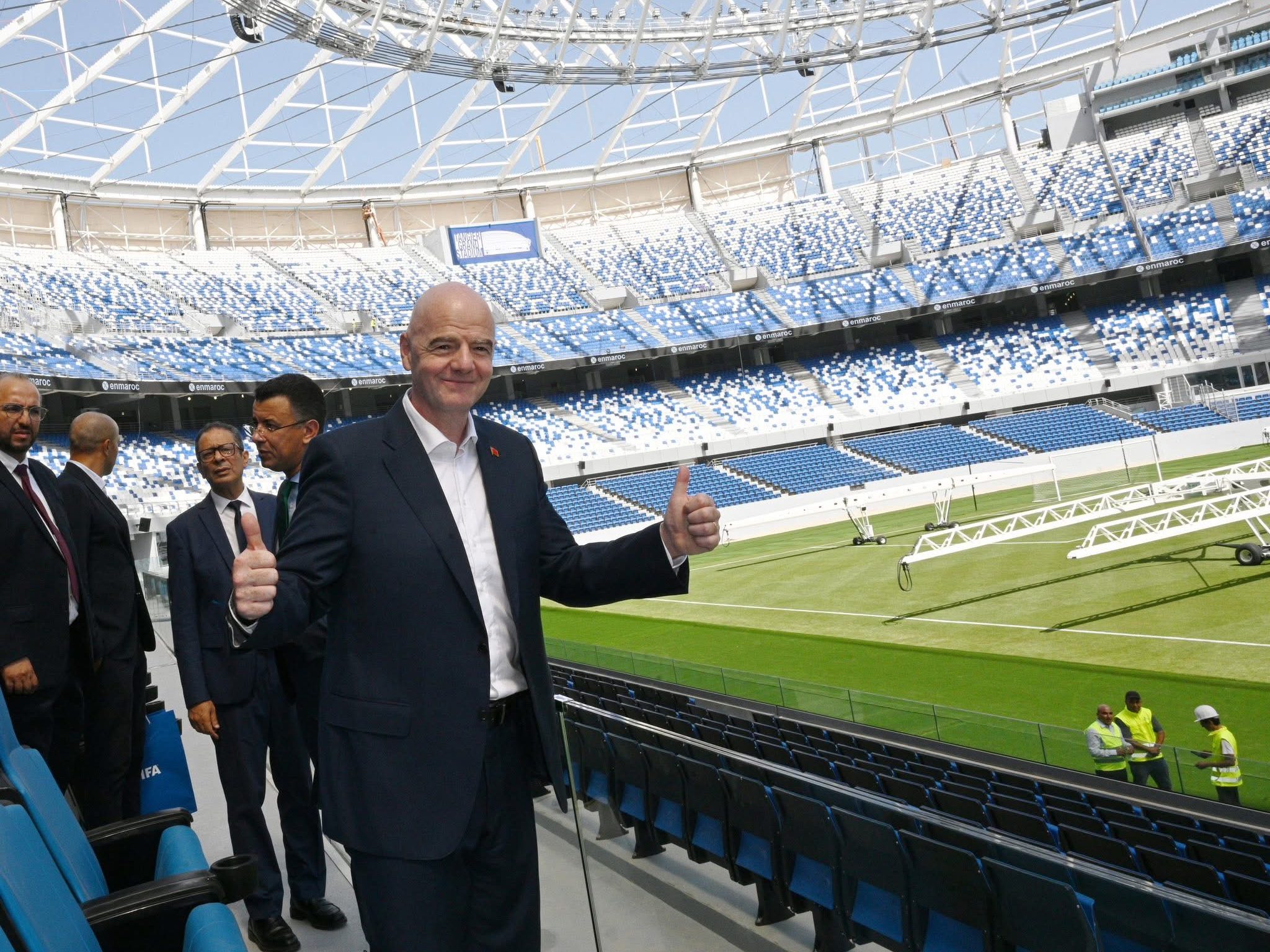
Over in the north, the former Ibn Batouta Stadium in Tangier has been transformed into the Grand Stade de Tanger, with its capacity expanded to 75,600, featuring a modern roof, upgraded VIP and media areas, and stands brought closer to the pitch. In Casablanca, the historic Mohammed V Stadium has been refurbished with new seating, improved lighting, media facilities, and better accessibility, showing the country’s commitment to quality and international standards.
But Morocco’s preparations go far beyond the pitch. According to Khyari, these achievements demonstrate that the country’s readiness is not event-driven but vision-driven. “AFCON 2025 is an important event, but it should not be viewed as a ‘test’ for the 2030 World Cup. Morocco’s national development plan, led by His Majesty King Mohammed VI, may God assist Him, has been underway for more than two decades,” he said.
HOSTING AFCON 2025 FAR FROM 2030 WORLD CUP TEST
Under the leadership of president Fouzi Lekjaa, the FRMF integrates into this national momentum and ensures that football development follows the same strategic trajectory. AFCON is therefore part of a broader continuum, not a starting point.
The host cities have undergone sweeping upgrades to roads, signage, public lighting, pedestrian zones, and green spaces to ensure fans move safely and efficiently between stadiums and urban centres, and to ensure the developments last for many more years to come.
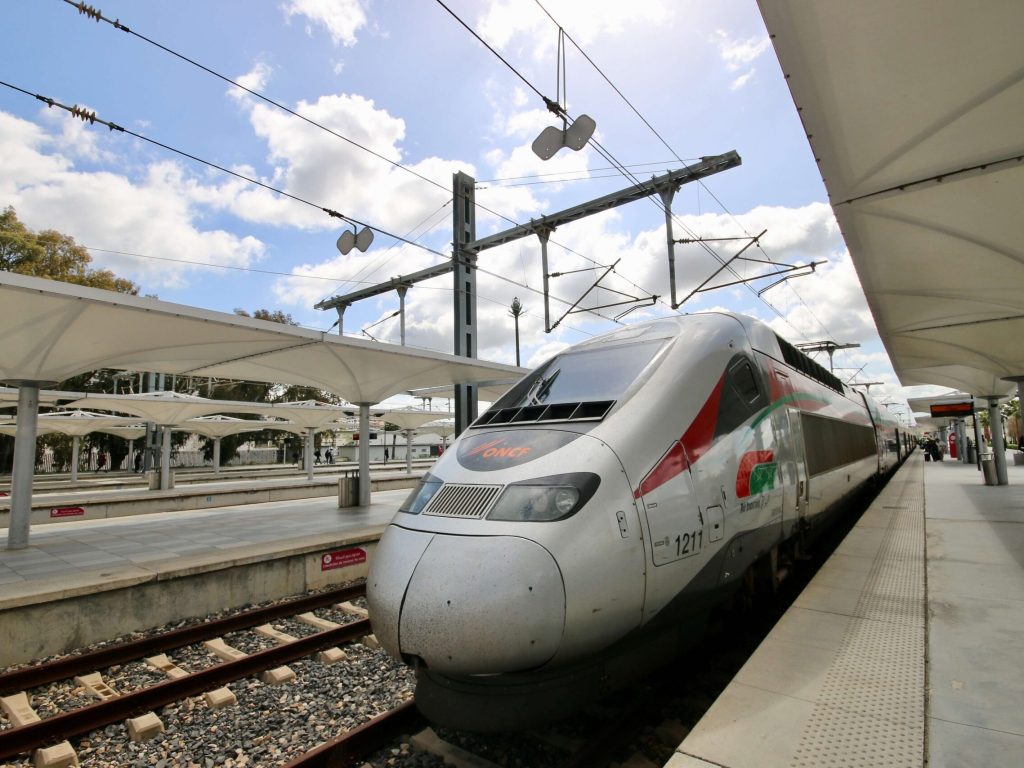
Similarly, Regional airports have been modernised to handle the large influx of tourists, while the national rail operator has expanded high-speed connectivity to link key cities. In Tangier, the Grand Stade sits just 30–40 minutes from the renovated airport, and in Rabat and Casablanca, improved road networks and public transport are smoothing travel.
Hosting AFCON 2025 is far from a test. The Kingdom has successfully staged CAF tournaments, world championships, women’s football events, futsal competitions, and global training camps, building a mature and professional ecosystem in the process.
The result is clear: cities like Rabat, Marrakech, Fez, Agadir, Casablanca and Tangier are poised to become global sports tourism hubs, blending vibrant local culture, modern architecture and hospitality.